
This collection is curated by the UAE Look Team, a group of writers covering fashion, travel, food and living in the UAE and across the Middle East. Our team checks every price, place and detail before publishing, so you get honest, practical guides for Dubai and beyond.
If you are planning a move to Dubai, the first question is always the same: what is the cost of living in Dubai, and how much money do I actually need every month? The short answer, based on late 2026 market data, is that a single professional can live on roughly AED 8,000 to 12,000 a month on a budget, or AED 12,000 to 18,000 comfortably. A couple needs about AED 15,000 to 22,000 on a budget and AED 20,000 to 28,000 for a comfortable life. A family of four should plan on AED 25,000 to 40,000 a month, and more if the children go to a mid-fee or premium international school. Rent decides almost everything else, because it is the one cost that can double or halve your budget depending on where you live.
This guide gives you the real numbers, line by line, so you can build a budget that matches your life instead of someone else’s. Every figure below is a typical range for late 2026, drawn from Dubai Land Department contract data, rental listings, DEWA tariffs and KHDA school fee data. Prices move and rents are negotiated, so treat this as a planning map, not a price list.
How much does it cost to live in Dubai per month?
Here is the honest summary first. These totals include rent, and they assume you cook most meals at home, use a mix of Metro and taxis or one modest car, and live a normal middle-class life rather than a luxury one.
| Household | Budget lifestyle | Comfortable lifestyle | Premium lifestyle |
|---|---|---|---|
| Single professional | AED 8,000 to 12,000 | AED 12,000 to 18,000 | AED 20,000 to 30,000 |
| Couple, no children | AED 13,000 to 18,000 | AED 20,000 to 28,000 | AED 30,000 to 45,000 |
| Family of four, one child in school | AED 20,000 to 28,000 | AED 30,000 to 45,000 | AED 50,000 to 70,000 |
| Family of four, two children in school | AED 25,000 to 35,000 | AED 40,000 to 55,000 | AED 60,000 to 90,000 |
The gap between budget and comfortable is mostly rent and schooling. A single person sharing a flat in International City and taking the Metro lives a completely different financial life from a single person in a one-bedroom in Dubai Marina with a car. Both are real Dubai lives. The rest of this guide shows you where the money actually goes.
Rent in Dubai: what you will actually pay
Rent is the biggest line in any Dubai budget, usually 30 to 45 percent of total spending. It is also the line you have the most control over. Citywide averages for 2026 put a studio at about AED 62,700 a year, a one-bedroom at about AED 99,300 a year and a two-bedroom at about AED 168,500 a year. But city averages hide the real story, because a studio in International City and a studio in Downtown Dubai are not the same product at all.
| Area | Studio (AED/year) | 1-bedroom (AED/year) | 2-bedroom (AED/year) |
|---|---|---|---|
| Downtown Dubai | 75,000 to 100,000 | 90,000 to 160,000 | 150,000 to 270,000 |
| Palm Jumeirah | 70,000 to 90,000 | 100,000 to 160,000 | 160,000 to 240,000 |
| Dubai Marina | 55,000 to 75,000 | 95,000 to 130,000 | 140,000 to 200,000 |
| Business Bay | 45,000 to 70,000 | 70,000 to 110,000 | 100,000 to 150,000 |
| JLT | 45,000 to 60,000 | 65,000 to 85,000 | 90,000 to 120,000 |
| Jumeirah Village Circle (JVC) | 40,000 to 58,000 | 62,000 to 95,000 | 85,000 to 140,000 |
| Dubai Silicon Oasis (DSO) | 25,000 to 38,000 | 40,000 to 60,000 | 60,000 to 85,000 |
| International City | 30,000 to 41,000 | 44,000 to 68,000 | 65,000 to 95,000 |
| Deira / Bur Dubai | 22,000 to 35,000 | 40,000 to 58,000 | 60,000 to 85,000 |
A few things about rent that catch newcomers by surprise. First, rent in Dubai is usually paid annually, in advance or in one to four post-dated cheques, not monthly. A landlord who accepts four cheques will often charge more than one who accepts a single cheque. Second, you pay a security deposit of 5 percent of the annual rent, an agency fee of about 5 percent plus VAT, an Ejari registration fee of around AED 220, and a DEWA deposit of AED 2,000 to 4,000 before you get the keys. Budget roughly 10 to 15 percent of one year’s rent in one-off costs on top of the rent itself. Third, rent growth has cooled. After double-digit rises in 2023 and 2024, annual growth slowed to roughly 4 to 6 percent in 2026, and high-supply areas like JVC are roughly flat, which gives tenants more room to negotiate than they had two years ago.
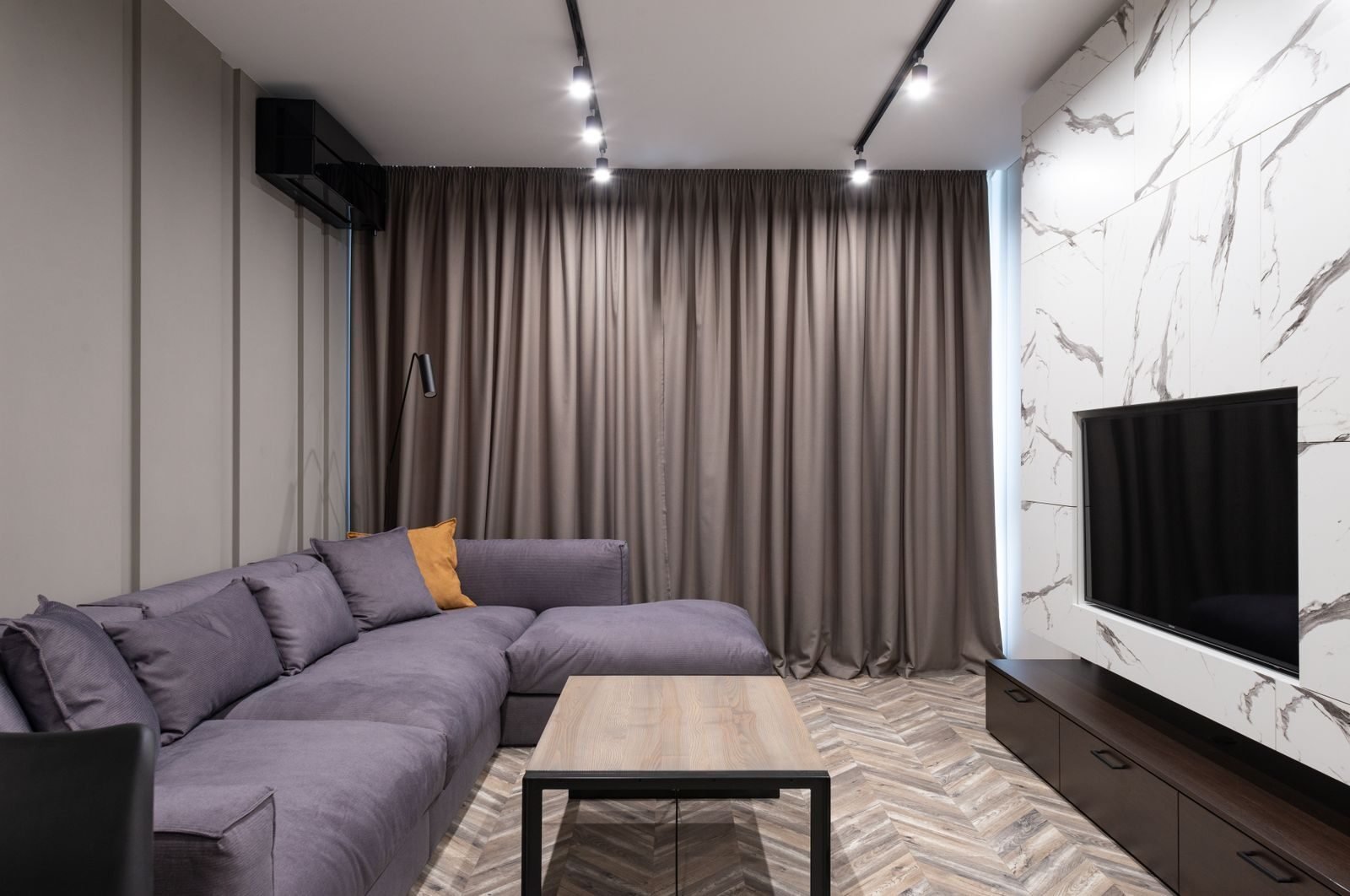
The cheapest way to cut your Dubai cost of living is almost always the same: live one stop further out than you first planned. The difference between a one-bedroom in Dubai Marina and the same flat in JVC can be AED 3,000 a month, and the Metro or a short drive closes most of that gap in time. If you want to compare areas before you decide, this area-by-area rent guide for Dubai 2026 lays out the same ranges by community, and our Dubai Travel guides can help you get to know each neighbourhood before you commit to a lease.
DEWA, cooling and internet: the bills nobody warns you about
DEWA is the Dubai Electricity and Water Authority, and your DEWA bill combines electricity, water, sewerage, a fuel surcharge and a housing fee equal to 5 percent of your annual rent, billed monthly. That housing fee is the part that surprises people, because it means your utility bill rises with your rent even if you use the same amount of power.
A typical monthly DEWA bill runs AED 300 to 450 for a studio, AED 500 to 800 for a one-bedroom apartment, and AED 800 to 1,500 for a two to three-bedroom villa. Summer changes everything. From June to September, air conditioning can push the bill 40 to 60 percent higher, so a one-bedroom that costs AED 600 a month in January can cost AED 900 or more in August. If your building has district cooling, through Empower or Tabreed, the cooling charge comes separately and can add several hundred dirhams a month on top.
Home internet usually costs AED 300 to 400 a month for a standard fibre package, and a mobile plan with generous data runs AED 150 to 300 a month. Add it all together and a single person in a one-bedroom should budget AED 600 to 1,000 a month for utilities and connectivity, a couple AED 800 to 1,400, and a family in a villa AED 1,200 to 2,200, with the top end landing in the summer months.
Groceries and eating out: what a weekly shop costs
Groceries in Dubai cost about the same as in a major European city, and the store you choose matters as much as what you buy. Carrefour and Lulu are the budget supermarkets, while Spinneys, Waitrose and Park n Shop charge a clear premium for the same basket. A weekly shop for a couple at a budget supermarket typically runs AED 300 to 500.

| Household | Groceries per month (budget stores) | Groceries per month (premium stores) |
|---|---|---|
| Single person | AED 800 to 1,200 | AED 1,500 to 2,500 |
| Couple | AED 1,600 to 2,500 | AED 2,500 to 3,500 |
| Family of four | AED 2,500 to 4,000 | AED 4,500 to 7,000 |
Eating out is where budgets quietly leak. A casual meal at a mall restaurant costs roughly AED 60 to 100 per person, a Friday brunch runs AED 200 to 500 per person depending on the venue, and a coffee is AED 20 to 30. None of that is ruinous on its own, but three brunches and a few Deliveroo orders a week can add AED 1,500 to 2,500 a month to a couple’s spending without them noticing. Our Shopping and Malls guides cover where the big supermarkets and malls are, so you can plan the weekly shop around them. If you want one rule that actually saves money in Dubai, it is this: cook five nights a week and keep dining out for the weekend.
Transport: Metro or car?
Dubai’s Metro is one of the great bargains of the city. On a standard Silver nol card, a journey costs AED 3 within one zone, AED 5 across two zones and AED 7.50 across three or more, with a daily cap of AED 14. A 30-day pass covering all zones costs AED 350. A commuter crossing two zones each way, 22 working days a month, pays about AED 220 pay-as-you-go, or AED 350 on the monthly pass. Add occasional taxis, metered at roughly AED 2.12 to 3.00 per kilometre, and a single person who relies on public transport can keep total transport spending to AED 350 to 600 a month.

A car changes the maths completely. Petrol is cheap by world standards, roughly AED 3 to 4 a litre in late 2026, but everything around it adds up. Salik road tolls cost AED 6 per gate in weekday peak hours and AED 4 off-peak, plus 5 percent VAT since June 2026, and crossings between 1am and 6am are free. A regular commuter typically pays AED 200 to 550 a month in tolls alone. Add insurance, servicing, parking and fuel, and running a modest car costs roughly AED 900 to 2,200 a month before any loan payment, or AED 1,800 to 3,300 a month once a car loan is included. Families usually need the car, and should budget AED 1,500 to 2,500 a month for one car all-in, or AED 3,000 to 4,500 for two.
If you live and work on the Red Line or Green Line corridor, the Metro plus a Careem now and then is almost always the cheaper choice. If you live in a villa community with no Metro station, the car is not a luxury, it is the budget.
School fees: the line that decides a family budget
For families, school fees are the single line that decides which budget band you land in. Dubai has more than 220 private schools, and fees are regulated by the KHDA, the Knowledge and Human Development Authority, which caps how much a school can raise its fees each year. The average school fee in Dubai for the 2026-27 academic year is approximately AED 42,000 per child per year, but the range is enormous.
| Curriculum | Typical annual fee per child | Monthly equivalent |
|---|---|---|
| Indian (CBSE / ICSE) | AED 4,000 to 35,000 | AED 350 to 2,900 |
| British (IGCSE / A-Level) | AED 25,000 to 110,000 | AED 2,100 to 9,200 |
| American | AED 30,000 to 105,000 | AED 2,500 to 8,750 |
| IB (International Baccalaureate) | AED 47,000 to 130,000 | AED 3,900 to 10,800 |
Fees rise by year group, so a child in Year 10 costs materially more than the same child in Year 1. The published tuition is also not the whole cost. Uniforms, transport, books, exam fees and trips can add 15 to 30 percent on top. Two children in mid-fee British schools can easily cost AED 7,000 to 9,000 a month, which is more than many families pay in rent. A full Dubai school fees breakdown for 2026-27 by curriculum shows the same bands, and it is worth reading before you shortlist schools. This is why the first question to ask any Dubai employer is not only the salary, but whether school fees are covered, and for how many children. An employer who pays school fees is effectively adding AED 40,000 to 90,000 a year to your package.
Health insurance and other monthly costs
Health insurance is mandatory in Dubai, and in practice most employers provide it. If you have to buy your own, premiums vary widely by age, coverage and network, so get a quote before you budget a number. Beyond insurance, the everyday extras add up: a gym membership runs AED 200 to 500 a month, a basic phone and streaming bundle AED 200 to 400, household items and cleaning AED 300 to 600, and personal care and clothing AED 300 to 800 depending on habits. A single person should allow AED 1,000 to 2,000 a month for everything in this miscellaneous bucket, a couple AED 1,500 to 3,000, and a family AED 2,000 to 4,000.
The hidden one-off costs of moving to Dubai
The monthly budget is only half the story. Moving to Dubai has a front-loaded cost that surprises almost everyone. Before your first salary lands, expect to pay the rental deposit and agency fee, the DEWA deposit, Ejari, visa and Emirates ID costs (often covered by the employer, but check), basic furniture if the flat is unfurnished, a car deposit if you lease, and school registration deposits of AED 500 to 5,000 per child. A single person should arrive with at least AED 15,000 to 25,000 in reserve beyond the first month’s rent. A family should hold AED 40,000 to 60,000. Dubai rewards people who arrive with a buffer and punishes people who arrive on their last dirham.
How to cut the cost of living in Dubai without feeling poor
You do not need to live like a student to save money in Dubai. The biggest savings come from five decisions, and none of them hurt much. Live in JVC, DSO, Arjan or Al Barsha instead of Marina or Downtown and save AED 2,000 to 4,000 a month in rent. Pay rent in one cheque instead of four if you can, because landlords discount for it. Take the Metro and keep the car for weekends, or skip the car entirely for the first six months. Shop at Carrefour or Lulu and keep Spinneys for treats. And negotiate everything, from the rent to the school fee payment plan, because in Dubai almost every big number is a starting point, not a fixed price.
Is Dubai expensive compared to other cities?
Dubai is cheaper than London, New York, Singapore and Zurich, and more expensive than Lisbon, Bangkok or Istanbul. That comparison misses the point, though, because Dubai charges no personal income tax. Your gross salary is your take-home pay, which is worth roughly 20 to 40 percent more than the same headline salary in a taxed city. A AED 15,000 salary in Dubai spends like a much larger salary in London once tax is taken off the London figure. If you are still weighing the move, this cost of living in Dubai 2026 guide gives an independent line-by-line breakdown you can compare with this one, and the UAE Look homepage has our latest Dubai guides in one place. The honest way to judge Dubai is not the price of a coffee, it is what is left in your account at the end of the month. For most middle-income professionals, that number is better in Dubai than in the city they left, as long as they control rent and school fees.
How much does a single person need to live in Dubai?
A single professional needs roughly AED 8,000 to 12,000 a month on a budget, sharing accommodation and using the Metro, or AED 12,000 to 18,000 a month for a comfortable life in their own one-bedroom apartment.
How much does a couple need to live in Dubai?
A couple needs about AED 15,000 to 22,000 a month on a budget and AED 20,000 to 28,000 a month to live comfortably, including rent in a mid-range area.
How much does a family of four need to live in Dubai?
A family of four needs roughly AED 25,000 to 40,000 a month, and AED 40,000 to 55,000 if two children attend mid-fee international schools. School fees are usually the deciding factor.
What is the biggest expense in Dubai?
Rent. It typically takes 30 to 45 percent of a household budget, and it is also the cost you can control most by choosing your area.
How much is rent for a 1-bedroom apartment in Dubai?
Citywide, a one-bedroom averages about AED 99,300 a year, or roughly AED 8,300 a month. In JVC or DSO expect AED 40,000 to 95,000 a year; in Dubai Marina AED 95,000 to 130,000; in Downtown AED 90,000 to 160,000.
How much is DEWA per month in Dubai?
A typical monthly DEWA bill is AED 300 to 450 for a studio, AED 500 to 800 for a one-bedroom, and AED 800 to 1,500 for a villa. Summer bills can run 40 to 60 percent higher, and the bill includes a housing fee equal to 5 percent of annual rent.
How much do groceries cost in Dubai per month?
A single person spends about AED 800 to 1,600 a month on groceries, a couple AED 1,600 to 2,800, and a family of four AED 2,800 to 4,500, depending on the supermarket.
Is it cheaper to use the Metro or a car in Dubai?
The Metro is far cheaper. A monthly all-zone pass costs AED 350, while running a modest car costs roughly AED 900 to 2,200 a month before any loan payment, plus tolls and parking.
How much are school fees in Dubai?
The average is about AED 42,000 per child per year for 2026-27. Indian curriculum schools average far less, British schools average around AED 48,000, and IB schools average around AED 65,000, with premium schools above AED 100,000.
Do you pay income tax in Dubai?
No. Dubai charges no personal income tax, so your gross salary is your take-home pay. This is the main reason a Dubai salary stretches further than the same number in a taxed city.
What are the hidden costs of renting in Dubai?
A 5 percent security deposit, an agency fee of about 5 percent plus VAT, Ejari registration of around AED 220, a DEWA deposit of AED 2,000 to 4,000, and rent usually paid in one to four cheques in advance.
Is AED 10,000 a month enough to live in Dubai?
For a single person sharing a flat and using public transport, yes, it is liveable, though tight. For a couple paying their own rent, or anyone with children, it is not enough for a comfortable life.
Is Dubai affordable for a family?
Yes, if the salary matches the school fees. A family with one child in a mid-fee school needs roughly AED 30,000 a month or more, and the deal becomes much easier if the employer covers housing or school fees.
How much money should I bring when moving to Dubai?
A single person should arrive with at least AED 15,000 to 25,000 in reserve beyond the first month’s rent. A family should hold AED 40,000 to 60,000, because deposits, furniture and school registration all land before the first salary.
Does the cost of living in Dubai keep rising?
Rent growth has slowed to roughly 4 to 6 percent a year in 2026, down from double-digit rises in 2023 and 2024. High-supply areas like JVC are roughly flat, which gives tenants more negotiating room.
#CostOfLivingDubai #LivingInDubai #DubaiBudget #DubaiRent #MoveToDubai #DubaiLife
This collection is curated by the UAE Look Team, a group of writers covering fashion, travel, food and living in the UAE and across the Middle East. Our team checks every price, place and detail before publishing, so you get honest, practical guides for Dubai and beyond.
One Response