What is the best skincare for Dubai weather? The answer is a simple, consistent routine that combines gentle cleansing, lightweight hydration, daily sun protection, and products suited to your skin type. Dubai’s combination of intense sunshine, high temperatures, humidity, dust, and air-conditioned indoor spaces can make skin feel oily, dehydrated, sensitive, or congested.
Choosing skincare for this environment is not just about purchasing expensive products. It is about understanding what your skin needs and avoiding ingredients or routines that create unnecessary irritation.
The best skincare for Dubai should protect the skin barrier without leaving a heavy, greasy layer. Whether you have oily, dry, combination, or sensitive skin, a few carefully selected products can help maintain a comfortable, healthy-looking complexion throughout the year.
This guide explains how to build a morning and evening routine, select suitable ingredients, manage common skin concerns, and adjust your products when the weather changes.
Why Does Dubai Weather Affect Your Skin?
Dubai’s climate creates several challenges for everyday skincare. Heat and humidity can increase the discomfort associated with sweat and excess oil, while air conditioning and dry indoor air can leave skin feeling tight.
Heat, humidity, and excess oil
In hot weather, sweat mixes with sebum, sunscreen, makeup, and environmental debris. This combination may contribute to clogged pores, especially if you use heavy products or do not cleanse your skin properly.
People with oily or acne-prone skin may benefit from lightweight, non-comedogenic moisturizers and gentle cleansers. However, washing your face repeatedly or using harsh products can irritate the skin and make your routine harder to tolerate.
Air conditioning and dehydration
Spending hours in air-conditioned offices, shopping malls, cars, or hotel rooms can leave your skin feeling dry or tight. Oily skin can also become dehydrated, so shine does not necessarily mean your skin has enough moisture.
A suitable moisturizer helps support the skin barrier and reduce moisture loss.
Sun exposure and pigmentation
Frequent outdoor exposure can contribute to sunburn, premature skin aging, uneven pigmentation, and skin cancer risk. Sunscreen is therefore one of the most important parts of a Dubai skincare routine.
The American Academy of Dermatology recommends broad-spectrum, water-resistant sunscreen with SPF 30 or higher. See its guide to choosing sunscreen.
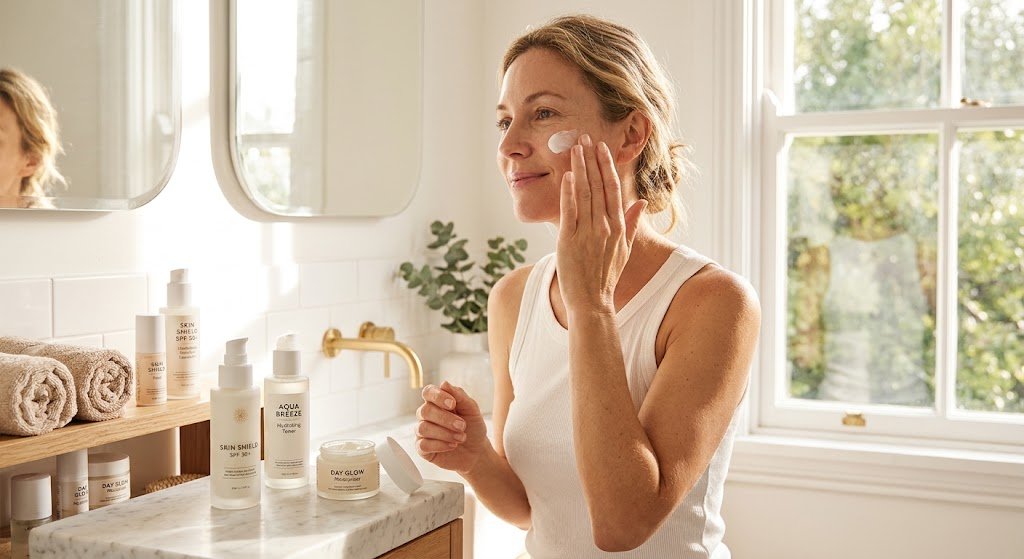
What Is the Best Skincare for Dubai Weather?
The best skincare for Dubai weather is a routine that cleanses without stripping the skin, moisturizes without unnecessary heaviness, and protects against ultraviolet radiation. You do not need a complicated collection of products to get started.
Choose a gentle facial cleanser
Use a gentle cleanser in the morning and evening, adjusting as needed for your skin type. Look for a formula that removes sweat, oil, sunscreen, and everyday dirt without leaving your face feeling tight or uncomfortable.
Consider these options:
- Oily skin: A gentle gel or foaming cleanser may feel comfortable.
- Dry skin: A cream or hydrating cleanser can help reduce the feeling of tightness.
- Sensitive skin: Choose a fragrance-free cleanser designed for sensitive skin.
- Combination skin: Try a balanced cleanser that cleans oily areas without over-drying the cheeks.
After exercise or heavy sweating, rinse or cleanse your skin as appropriate. Avoid scrubbing aggressively or repeatedly washing your face throughout the day.
Apply a lightweight moisturizer
Moisturizing is important even when the weather is hot. A suitable product helps support the skin barrier and keeps skin comfortable.
Look for lightweight lotions or gels if you dislike a heavy finish. Ingredients such as glycerin and hyaluronic acid help attract water, while ceramides help support the skin barrier.
Choose your moisturizer according to your needs:
- Oily skin may prefer a lightweight, non-comedogenic lotion.
- Dry skin may need a richer cream, especially at night.
- Sensitive skin may benefit from a simple, fragrance-free formula.
- Combination skin may need a lighter layer on the T-zone and more moisturizer on dry areas.
Apply moisturizer after cleansing while your skin is slightly damp. If your face feels tight after spending time in air conditioning, consider whether your cleanser is too harsh or your moisturizer is too light.
Make sunscreen your daily essential
Sunscreen is essential for protecting exposed skin from ultraviolet radiation. Choose a broad-spectrum formula with SPF 30 or higher and water resistance when sweating or swimming is likely.
For a more comfortable finish in hot weather, you can try a gel, fluid, or lightweight lotion. The best texture is the one that suits your skin and encourages you to apply enough product consistently.
Use sunscreen on exposed areas, including your face, ears, neck, and hands. Apply it according to the label before going outdoors and reapply approximately every two hours while outdoors, as well as after swimming or heavy sweating.
Do not rely on sunscreen alone. Seek shade when possible and wear protective clothing, a wide-brimmed hat, and UV-protective sunglasses.
Read the American Academy of Dermatology’s sunscreen application guidance for additional advice.
Consider antioxidants if they suit your skin
Vitamin C is an optional addition to a morning routine. It is an antioxidant ingredient that may help improve the appearance of uneven tone and complement sun protection.
Apply it after cleansing and before moisturizer and sunscreen, following the product instructions. Start slowly if you have sensitive skin, and discontinue it if it causes persistent burning, redness, or irritation.
You do not need several antioxidant serums at once. A cleanser, moisturizer, and sunscreen are a sensible starting point before adding targeted treatments.
How to Build a Morning and Night Skincare Routine
A consistent routine is often more useful than frequently changing products. Start with a few essentials, then introduce additional products only when you have a clear reason.
Morning skincare routine
Follow these steps before work, sightseeing, shopping, or other outdoor activities:
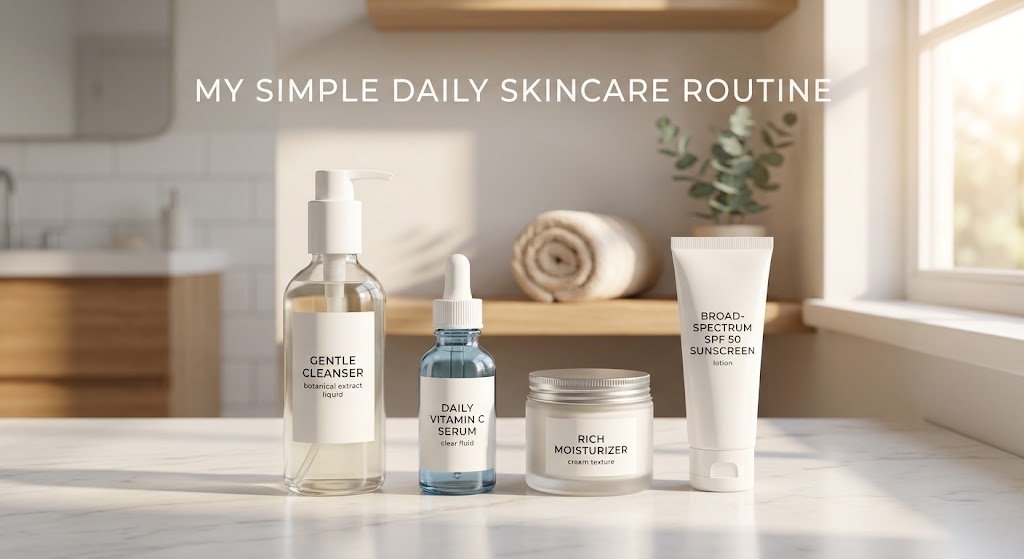
- Cleanse: Use a gentle cleanser or rinse with water if that works well for your skin.
- Treat: Apply an optional serum, such as vitamin C, if your skin tolerates it.
- Moisturize: Use a lightweight moisturizer suited to your skin type.
- Protect: Finish with broad-spectrum SPF 30 or higher sunscreen.
Allow products to settle between layers if needed. If sunscreen pills or rolls off, try using smaller amounts of compatible skincare layers and allowing each layer to dry before applying the next.
Evening skincare routine
Your evening routine should remove the day’s buildup and help maintain the skin barrier.
- Remove makeup and sunscreen: Use a suitable makeup remover or cleansing oil if necessary.
- Cleanse: Wash your face gently to remove remaining residue, sweat, and dirt.
- Apply treatment: Use one targeted treatment if needed, following its instructions.
- Moisturize: Apply a suitable moisturizer to help keep your skin comfortable overnight.
Double cleansing can be useful for some people who wear makeup or water-resistant sunscreen, but it is not mandatory for everyone. If one effective cleanser removes your products comfortably, an additional cleansing step may be unnecessary.
Which Skincare Ingredients Work Best in Dubai?
Choosing ingredients by their purpose is more useful than buying products simply because they are popular.
Ingredients for hydration and barrier support
- Hyaluronic acid: Helps attract and retain water in the skin.
- Glycerin: A humectant that helps draw moisture into the outer skin layers.
- Ceramides: Support the skin barrier and help limit moisture loss.
- Panthenol: Can help soothe and moisturize the skin in suitable formulations.
- Niacinamide: May help support the skin barrier and improve the appearance of excess oil and uneven tone.
You do not need every ingredient in your routine. Choose products that address your main concern and introduce new ones gradually.
Ingredients for oily and acne-prone skin
Salicylic acid may help unclog pores and manage blackheads in people with acne-prone skin. However, it can cause dryness or irritation, especially when combined with multiple exfoliating products.
Start with a low-strength product according to its directions and monitor your skin’s response. If you already use prescription acne medication, ask a dermatologist before adding more active ingredients.
Ingredients for sensitive skin
Fragrance-free moisturizers containing barrier-supporting ingredients are often a practical choice. Avoid introducing several strong actives at the same time, and patch-test new products before applying them widely.
For more guidance on choosing products for different skin types, consult the American Academy of Dermatology’s skincare basics.
How Should You Adjust Skincare for Different Skin Types?
There is no single product combination that works for everyone. Your routine should reflect how your skin behaves rather than the weather alone.
Oily skin
Use a gentle cleanser, lightweight moisturizer, and sunscreen that feels comfortable on your skin. Products labeled non-comedogenic are designed to be less likely to clog pores.
Blotting papers can help absorb excess shine without another full face wash. Avoid aggressive cleansing or using several drying acne products together.
Dry or dehydrated skin
Choose a gentle cleanser and a moisturizer containing humectants and barrier-supporting ingredients. Apply moisturizer after washing, and consider a richer cream at night if your skin still feels tight.
If indoor air conditioning consistently makes your skin uncomfortable, a clean humidifier may be worth considering. Drinking water supports general hydration, but it does not replace topical moisturizer.
Combination skin
Use a balanced cleanser and a lightweight moisturizer across the face. Apply extra moisturizer to dry areas when needed rather than treating the entire face as oily.
Sensitive or acne-prone skin
Keep the routine simple and introduce products one at a time. Fragrance-free formulas may be easier to tolerate, although no product is guaranteed to prevent reactions.
Persistent acne, painful breakouts, or a new rash may need professional assessment rather than additional over-the-counter products.
Common Skincare Mistakes to Avoid in Dubai
Small routine changes can make skincare more comfortable and reduce unnecessary irritation.
- Skipping moisturizer: Hot weather does not mean your skin cannot become dehydrated.
- Using too many exfoliants: Frequent scrubs and strong acids may damage the skin barrier.
- Applying too little sunscreen: Insufficient application can reduce the protection you receive.
- Forgetting to reapply sunscreen: Sweat, swimming, and time outdoors can reduce protection.
- Changing your entire routine at once: It becomes difficult to identify which product caused irritation.
- Assuming expensive products work better: Price alone does not determine whether a product suits your skin.
- Ignoring persistent irritation: Ongoing redness, itching, or burning deserves attention rather than more active ingredients.
A practical example is someone who spends the morning commuting, works in an air-conditioned office, and goes outdoors again in the evening. Instead of washing their face repeatedly, they can use a gentle morning cleanse, apply moisturizer and sunscreen, reapply sunscreen as needed before further outdoor exposure, and cleanse properly at night.
This approach addresses both outdoor exposure and indoor dryness without adding unnecessary steps.
How to Maintain Healthy Skin During Dubai’s Hot Weather
Alongside skincare products, a few everyday habits can make your routine easier to maintain.
- Wear breathable clothing and use shade when outdoors.
- Cleanse gently after substantial sweating.
- Keep your sunscreen accessible so reapplication is practical.
- Drink water regularly according to your activity and hydration needs.
- Avoid picking spots or scrubbing irritated skin.
- Maintain a consistent sleep schedule and balanced diet.
- Introduce new skincare products gradually.
You may also want to adjust textures seasonally. A lightweight lotion may feel comfortable on humid days, while a richer moisturizer may be preferable during periods when your skin feels dry from indoor air conditioning.
There is no need to change products according to a strict calendar. Let your skin’s comfort, tolerance, and specific needs guide adjustments.
Conclusion
So, what is the best skincare for Dubai weather? It is a simple routine built around gentle cleansing, suitable hydration, and consistent sun protection. Lightweight, non-comedogenic products may suit oily skin, while dry or sensitive skin may need richer moisturizers and fragrance-free formulas.
Start with a cleanser, moisturizer, and broad-spectrum SPF 30 or higher sunscreen. Add targeted ingredients only when necessary, and avoid excessive exfoliation or frequent product changes.
Most importantly, remember that Dubai’s climate affects everyone differently. Pay attention to how your skin responds, protect it from the sun, and seek professional advice for persistent or severe skin concerns.
Ready to improve your routine? Review your current products, identify your main skin concern, and make one practical change at a time.
FAQ Section
What is the best skincare for Dubai weather?
The best skincare for Dubai weather includes a gentle cleanser, a lightweight moisturizer suited to your skin type, and broad-spectrum SPF 30 or higher sunscreen. Choose products that feel comfortable in heat and humidity without irritating your skin.
Which moisturizer is best for Dubai’s hot climate?
A lightweight, non-comedogenic moisturizer may suit oily skin, while dry skin may benefit from a richer cream. Look for ingredients such as glycerin, hyaluronic acid, or ceramides based on your skin’s needs.
Should I use sunscreen every day in Dubai?
Yes. Use broad-spectrum SPF 30 or higher sunscreen on exposed skin every day. Choose a water-resistant formula for swimming or sweating, and reapply approximately every two hours while outdoors and after swimming or heavy sweating.
How can I prevent oily skin and acne in Dubai?
Use a gentle cleanser, avoid heavy products that clog your pores, and choose non-comedogenic moisturizer and sunscreen. Avoid excessive washing and exfoliation, which may irritate your skin.
Is hyaluronic acid good for skin in Dubai?
Hyaluronic acid is a humectant that helps attract water to the skin. It can be useful in a suitable moisturizer or serum, but it should be part of a balanced routine that also supports the skin barrier.
How often should I exfoliate in Dubai’s climate?
There is no universal schedule. Start conservatively, follow the product instructions, and reduce use if you experience dryness, redness, or irritation. People with sensitive skin may need to avoid certain exfoliants altogether.
2 Responses