
This collection is curated by the UAE Look Team, a group of writers covering fashion, travel, food and living in the UAE and across the Middle East. Our team checks every price, place and detail before publishing, so you get honest, practical guides for Dubai and beyond.
Three days in Dubai is enough to see the city properly, and this Dubai in 3 days itinerary is built for a first visit. You get the modern skyline on day one, the old city on day two, and the beach and the desert on day three. Nothing here needs a car, the metro does most of the work, and every price below was checked in November 2026. If you only have a long weekend, follow this plan in order and you will leave feeling like you actually saw Dubai, not just its airport and a hotel lobby.
What is the best Dubai in 3 days itinerary?
The short answer is one day Downtown, one day in Old Dubai, and one day split between Palm Jumeirah and the desert. That split works because Dubai is really three cities in one: the glass towers around the Burj Khalifa, the old trading port on the Creek, and the beach and desert beyond. Trying to mix all three into every day means hours lost in traffic on Sheikh Zayed Road, and that is the most common mistake first-timers make.
Here is the whole plan at a glance, then each day in detail below.
| Day | Area | Main stops | Rough cost per person |
|---|---|---|---|
| Day 1 | Downtown Dubai | Burj Khalifa, Dubai Mall, Dubai Fountain | From about AED 200 |
| Day 2 | Old Dubai | Al Fahidi, souks, abra, Dubai Frame | From about AED 60 |
| Day 3 | Palm and desert | Palm Jumeirah, The View, evening desert safari | From about AED 220 |
The costs above cover tickets and transport, not food or hotels. Day 2 is deliberately the cheapest, which balances the two bigger days on either side of it.
Day 1: Downtown Dubai, the Burj Khalifa and the Dubai Fountain
Start at Dubai Mall. It opens in the morning, it is air conditioned, and it is the easiest base for the whole day because the Burj Khalifa entrance, the Fountain promenade and the metro station are all connected to it. Take the Red Line to Burj Khalifa/Dubai Mall station and follow the covered walkway, which takes about 10 minutes on foot.
Book the Burj Khalifa for the morning, not the sunset slot. The standard At the Top ticket for levels 124 and 125 costs from AED 189 per adult on the official site, while sunset slots cost more, recently around AED 219 to AED 250, and the Level 148 SKY ticket costs about AED 399. Morning light is clearer, the haze is lower, and you save money for the same view. The tower is 828 metres tall, still the tallest building in the world, and the outdoor terrace on level 124 is the part people remember most, so do not rush past it for the indoor glass. Allow about 90 minutes up there.
Spend the middle of the day inside Dubai Mall itself. Entry to the mall is free, and the parts worth your time cost nothing: the giant aquarium tank is visible from the mall floor, the indoor waterfall in the centre of the mall is free to watch, and the Fashion Avenue end of the mall is the quietest place to sit down. If you want lunch with a view, the restaurants on the Waterfront Promenade facing the lake are the best value in the area, and you are already in the right place for the evening.
Come back to the lake for the Dubai Fountain show. The show is free to watch from the promenade, it runs every 30 minutes from 6pm to 11pm, and each performance lasts about five minutes. The 7pm to 8.30pm shows are the busiest, so arrive 20 minutes early if you want a front spot on the railing. The Boardwalk, a floating platform closer to the water, costs about AED 20 to AED 25, and the 30 minute abra ride on the lake costs about AED 100, but honestly the free promenade view is good enough on a first visit. The fountain reopened in October 2025 after a refurbishment, so any older page that says it is closed is out of date.
A practical tip for day one: book the Burj Khalifa ticket online the day before, because timed slots sell out in the November to March high season, and tickets are non-refundable. Keep your booking confirmation on your phone, because the entrance is inside the mall and the staff check it at the door.
Day 2: Old Dubai, the souks and the AED 1 abra
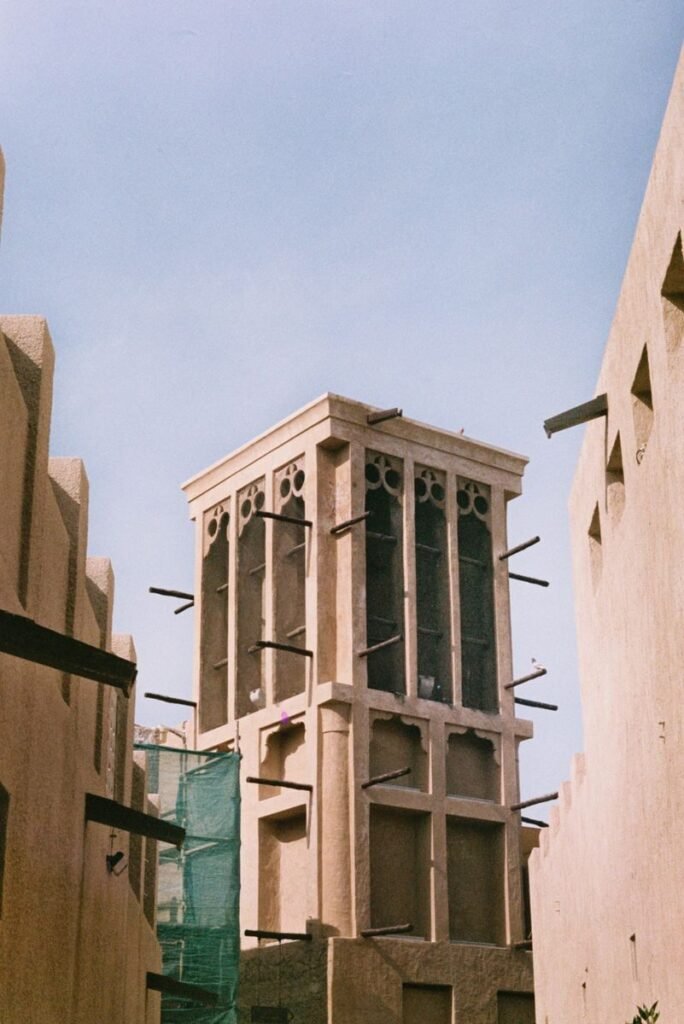
Day two is the day most first-timers end up loving most, and it costs almost nothing. Take the Green Line to Al Fahidi station, which was previously called Sharaf DG, and walk into the Al Fahidi Historical Neighbourhood. The lanes are narrow, the wind towers are original, and the whole area feels like a different century from Downtown. Entry to the neighbourhood lanes is free, and you can walk through in about an hour if you take your time. The small museums and galleries inside the houses have their own hours, so check the door before you queue.
From Al Fahidi, walk to the Textile Souk on the Bur Dubai side of the Creek. The stalls sell fabrics, scarves and pashminas, and the prices are negotiable, which is half the fun. A polite offer at about half the first price is normal here, and walking away is the best negotiating tool you have. Do not buy the first thing you see, because the same stall owners have the same stock ten stalls down.
Then cross the Creek on an abra. This is the cheapest famous ride in Dubai: AED 1 per person, paid in cash to the driver as you board, on the traditional wooden boats between Bur Dubai and Deira Old Souq. The crossing takes about five minutes, boats leave as soon as they fill up, and the CR1 route runs from 6am to midnight. Carry a one dirham coin, because the driver may not have change for a large note. The air conditioned abras on other Creek routes cost AED 2 and take a nol card, but the wooden AED 1 boat is the one to take.

On the Deira side, walk five minutes from the abra station to the Gold Souk and the Spice Souk. The Gold Souk is free to browse, and even if you buy nothing, the window displays are worth the walk: hundreds of shops, gold by the kilo, and shopkeepers who will happily show you pieces with no pressure to buy. The Spice Souk next door is smaller and louder, with sacks of saffron, oud wood and dried limes, and the shopkeepers will let you smell everything before you decide. Both souks are best in the morning, before the afternoon heat builds up.
Finish day two at the Dubai Frame in Zabeel Park. It is a short taxi ride from Deira, entry is AED 50 for adults and AED 20 for children aged 3 to 12, and it is open daily from 8am to 9pm. The Frame is a 150 metre golden rectangle with a glass floored sky bridge at the top, and from it you see Old Dubai on one side and the new towers on the other, which is exactly the contrast this whole day is about. The official ticket price does not include 5 percent VAT, so expect to pay about AED 52.50 at checkout. Go in the late afternoon, when the light is softer and the queues are shorter.
One thing to leave out of day two: the Museum of the Future. It closed to visitors on 1 September 2026 for a full exhibition overhaul and is expected to reopen in the first quarter of 2027. Do not plan around it until the official site confirms a reopening date.
Day 3: Palm Jumeirah and the desert safari
Day three has two halves, and they fit together well. Spend the morning on Palm Jumeirah and the afternoon and evening in the desert.
Get to the Palm by metro and tram. Take the Red Line to Damac Properties station, change to the Dubai Tram, and walk to Palm Gateway station for the Palm Monorail. The monorail reopened in July 2026 after a maintenance closure, and it runs every 15 minutes from about 9am to 10pm. A single ride from Gateway to Atlantis costs AED 20, the return is AED 30, and a return trip between any two stations is AED 35. A family pass covering a return trip for four people from Gateway to Atlantis costs AED 99. The monorail does not take a nol card, so buy a separate ticket at the station.
Ride the monorail to Palm Jumeirah Mall station and go up to The View at The Palm, the observation deck on level 52 of the Palm Tower, 240 metres up. This is the only place you can see the full palm shape of the island from above without booking a helicopter. Tickets start from about AED 100 to AED 115 for adults and about AED 80 for children, and the deck added glass ledges in October 2026. Give it about an hour, then walk down to Palm West Beach for a swim or a coffee. The beach is public and free, and the boardwalk has restaurants facing the water and the Atlantis hotel at the far end of the crescent.
Be back at your hotel by about 2.30pm, because the desert safari picks you up in the mid afternoon. A shared evening safari costs from about AED 79 to AED 150 per person on budget listings, with standard good quality trips usually in the AED 150 to AED 300 range, and premium or VIP versions from about AED 300 to AED 600.
A private 4×4 for up to six people costs about AED 700 to AED 1,400 per vehicle. Prices rise 15 to 25 percent from November to March, which is peak season. Whatever you pay, check what is included before you book: hotel pickup and drop off, dune bashing, a sunset stop, a camel ride, sandboarding, a barbecue dinner and live shows should all be in the price. Quad bikes and dune buggies are almost always extra.
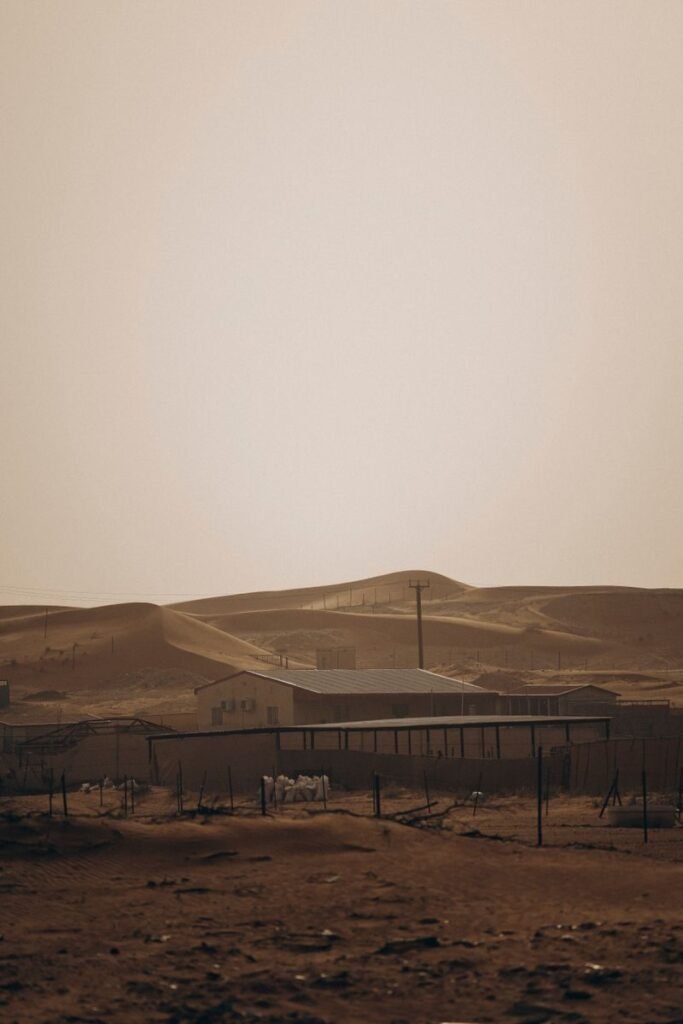
The safari runs about six to seven hours, with pickup around 2.30pm to 3.30pm and return around 9pm to 10pm. The dune bashing lasts about 25 to 35 minutes, which is enough, and if you get travel sick, tell the driver before you set off because they can drive more gently. Bring a light layer for after dark, because winter evenings in the desert drop into the high teens in Celsius. Book with an operator that holds a Department of Economy and Tourism permit, and avoid the cheapest flyers handed out on the street, because those are the trips where the camp is crowded and the dinner is poor.
How much does Dubai in 3 days cost?
It depends how much you choose to pay for, but here is an honest budget for one person, excluding hotels and flights, based on the prices checked in November 2026.
| Item | Budget | Comfortable |
|---|---|---|
| Burj Khalifa, levels 124 and 125 | AED 189 | AED 250 (sunset slot) |
| Dubai Fountain | Free | Free |
| Dubai Frame | AED 50 | AED 50 |
| Palm Monorail return | AED 30 | AED 30 |
| The View at The Palm | About AED 115 | About AED 115 |
| Evening desert safari | About AED 150 | About AED 300 |
| Metro and abra, 3 days | About AED 50 | About AED 50 |
| Food, 3 days | About AED 200 | About AED 450 |
| Total per person | About AED 785 | About AED 1,245 |
Hotels are the biggest variable. A clean three star hotel in Deira or Bur Dubai can cost far less than a beach hotel on the Palm, and staying near a metro station saves more money than any discount, because a taxi across the city can cost AED 60 to AED 100 a time.
How do you get around Dubai in 3 days?
Buy a Silver nol card on arrival. It costs AED 25 including AED 19 of travel credit, and it works on the metro, tram and bus. A single metro journey costs AED 3 within one zone, AED 5 across two zones, and AED 7.50 across more than two zones. The metro has two lines, Red and Green, and the Red Line covers almost everything in this itinerary: the airport, Deira, Bur Dubai, Downtown, the Mall of the Emirates and the Palm interchange. The Green Line covers Old Dubai and the Creek. Changing lines does not start a new fare.
Taxis are everywhere and the meter starts low, but in the evening rush the traffic on Sheikh Zayed Road can turn a 20 minute ride into an hour. Use the metro for the long distances and a taxi or Careem only for the last few kilometres. Friday is the quietest morning on the roads, because the working week in the UAE runs Monday to Friday, and the metro runs later on Friday and Saturday nights.
Where should you stay for 3 days in Dubai?
Stay near a metro station, and pick the area by what you want most. Downtown Dubai puts you next to the Burj Khalifa and the Fountain, but hotels there are the most expensive. Deira and Bur Dubai are the cheapest, they are close to the airport and the souks, and the Green Line gets you everywhere, but the evenings are quieter. Dubai Marina and JBR suit a beach holiday, with restaurants and the beach on your doorstep, and the tram connects you to the Palm and the metro. For a first visit of three days, Downtown or the Marina are the easiest choices, and Deira is the best choice if the budget matters more than the view.
What should you skip on a 3 day trip?
Skip the second observation deck. The Burj Khalifa and The View at The Palm do the same job, and doing both on the same trip is enough. Skip the paid Fountain extras on day one, because the free promenade view is the same show. Skip Global Village if you visit in summer, because it only runs from October to May, and entry is AED 25 on weekdays and AED 30 on any day ticket when it is open. Skip the Museum of the Future until it reopens in 2027. And skip trying to fit Abu Dhabi into the same three days, because the drive is about 90 minutes each way and the Sheikh Zayed Grand Mosque deserves a full day of its own.
When is the best time to visit Dubai for 3 days?
November to March is the best time, with daytime highs around 24 to 31 degrees and cool evenings. That is also when prices are highest and the Burj Khalifa and safari slots sell out first, so book a week ahead. April and October are warm but workable, and the crowds are thinner. June to September is very hot, with temperatures above 40 degrees, and the desert safari is less comfortable, but hotels are at their cheapest and the malls and indoor attractions are air conditioned. If you visit in summer, do the outdoor parts early in the morning and after sunset, and keep the middle of the day for the mall and the aquarium.
Is 3 days enough for Dubai?
Yes, three days is enough for the highlights: Downtown and the Burj Khalifa, Old Dubai and the souks, Palm Jumeirah and a desert safari. You will not see everything, but you will see the three sides of the city that matter most on a first visit.
How much money do I need for 3 days in Dubai?
Excluding hotels and flights, budget about AED 785 per person for a careful trip and about AED 1,245 for a comfortable one, based on prices checked in November 2026. Hotels are the biggest extra cost.
What is the best day to start a 3 day Dubai trip?
Start on a weekday if you can. The Burj Khalifa and the desert safari are quieter on weekdays, and the Friday morning roads are the emptiest of the week.
Do I need a car in Dubai for 3 days?
No. The metro, tram and abra cover everything in this itinerary, and a Silver nol card costs AED 25 including AED 19 of credit. A car only adds parking costs and traffic.
How much is the Burj Khalifa ticket?
The standard At the Top ticket for levels 124 and 125 costs from AED 189 per adult on the official site, sunset slots cost more, and the Level 148 SKY ticket costs about AED 399. Book online a day ahead in high season.
Is the Dubai Fountain free?
Yes, watching the Dubai Fountain from the promenade is completely free. Shows run every 30 minutes from 6pm to 11pm, and each show lasts about five minutes.
How much does a desert safari cost in Dubai?
A shared evening safari costs from about AED 79 to AED 150 on budget listings, with standard good quality trips usually AED 150 to AED 300 per person. A private 4×4 for up to six people costs about AED 700 to AED 1,400.
Is the Museum of the Future open?
No. It closed on 1 September 2026 for a full exhibition overhaul and is expected to reopen in the first quarter of 2027. Check the official site before planning a visit.
What should I wear in Dubai?
Light, loose clothes in the day and a light layer for air conditioned malls and desert evenings. Beachwear is fine at the beach and the pool, but cover up in malls, souks and the metro.
Is Dubai safe for first-time visitors?
Yes, Dubai is one of the safest large cities for tourists, with low street crime. The normal rules still apply: watch your belongings in crowds, and respect local laws on alcohol and public behaviour.
Can I do Dubai in 3 days with kids?
Yes, and day two and day three suit children best: the abra ride, the souks, the beach and the desert camp. The Burj Khalifa is fine for children too, but book a morning slot when the queues are shorter.
Do I need a visa for Dubai?
It depends on your passport. Many nationalities, including the UK, EU, US, Australia and most of the GCC, get a visa on arrival. Check the UAE visa rules for your nationality before you book, because the rules change.
#DubaiItinerary #DubaiTravel #VisitDubai #DubaiGuide #DubaiTrip #TravelDubai
This collection is curated by the UAE Look Team, a group of writers covering fashion, travel, food and living in the UAE and across the Middle East. Our team checks every price, place and detail before publishing, so you get honest, practical guides for Dubai and beyond.
11 Responses