What is oud and why is it expensive? This question interests fragrance lovers, luxury perfume buyers, and anyone curious about one of the world’s most prized natural scents. Oud is known for its deep, woody aroma, remarkable complexity, and association with premium perfumery. Unlike ordinary fragrance ingredients, high-quality natural oud can be difficult to source, time-consuming to produce, and challenging to evaluate.
Oud is especially popular in the Middle East, but it has also become an important ingredient in luxury fragrances sold throughout the United States. Its scent can range from smoky and leathery to sweet, earthy, resinous, and slightly animalic. This variety makes oud fascinating to experienced perfume collectors and newcomers alike.
The high price of oud comes primarily from its unusual formation inside certain Aquilaria trees, the limited availability of suitable resinous wood, labor-intensive harvesting and distillation, and strong global demand. However, not every perfume containing oud is equally expensive. Synthetic oud accords and blended fragrances can offer a similar scent profile at more accessible prices.
This guide explains what oud is, how it is produced, why it costs so much, how to recognize quality, and what American shoppers should know before buying an oud fragrance.
What Is Oud?
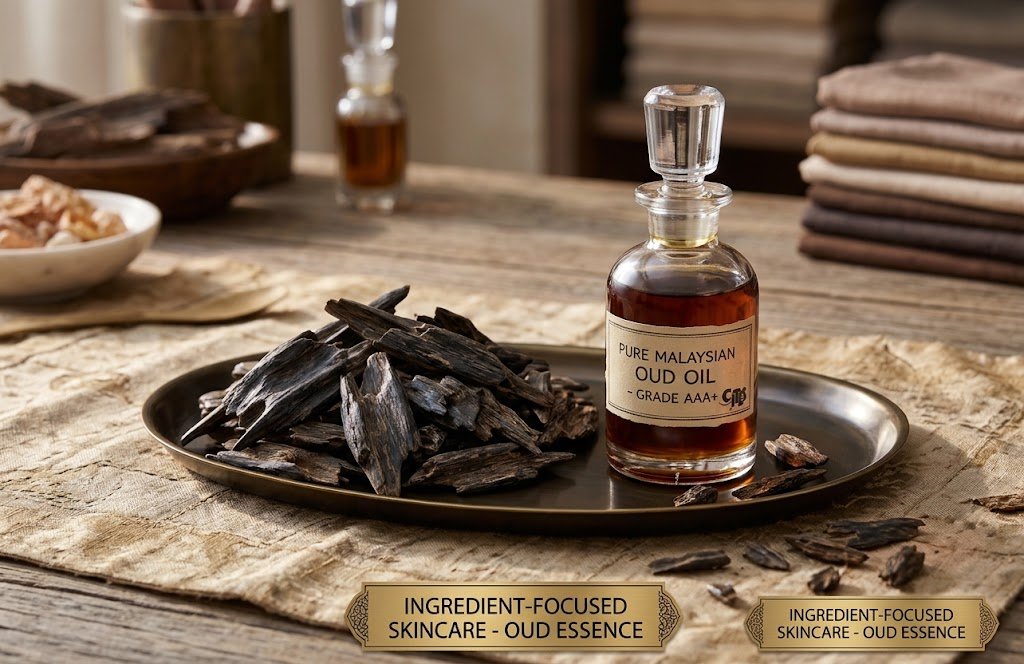
Oud, also called agarwood, is a fragrant resinous wood that develops in certain trees belonging to the Aquilaria and related genera. These trees grow naturally in parts of South and Southeast Asia.
When an Aquilaria tree experiences particular biological stress or injury, it may produce a dark, aromatic resin as part of its response. Resin formation does not occur uniformly in every tree, and suitable fragrant wood can take years to develop.
The resulting resin-rich wood is valued for its distinctive smell and can be used to make incense, essential oil, and perfume ingredients.
What Does Oud Smell Like?
Oud does not have one universal scent. Its aroma depends on the tree species, growing environment, resin composition, processing method, and age of the material.
Common oud fragrance characteristics include:
- Woody: Deep, dry, and reminiscent of aged timber.
- Smoky: Similar to fragrant wood gently burning over incense.
- Earthy: Rich, damp, and forest-like.
- Sweet: Sometimes resembling caramel, honey, or dried fruit.
- Leathery: Warm and textured, with a slightly animalic edge.
- Resinous: Balsamic, dense, and lingering.
Some oud oils smell smooth and sweet, while others are powerful, medicinal, or intensely smoky. These differences are part of what makes natural oud so interesting to perfume enthusiasts.
Where Does Oud Come From?
Natural agarwood is associated with several countries across South and Southeast Asia, including India, Bangladesh, Thailand, Cambodia, Laos, Vietnam, Malaysia, and Indonesia. Availability varies by species, location, cultivation, and local regulations.
Oud has a long cultural history in the Middle East and Asia, where fragrant wood and its oil have been used in perfumery, incense, hospitality, and traditional ceremonies.
For American consumers, oud is now available in everything from concentrated perfume oils to designer eau de parfum and niche fragrance collections.
What Is Oud and Why Is It Expensive?
The main reason oud is expensive is that high-quality natural agarwood is not produced consistently by every tree. Only certain conditions result in the valuable aromatic resin that perfumers seek.
Several factors combine to influence its price.
Natural Oud Is Relatively Rare
Aquilaria trees do not automatically develop large quantities of fragrant resin. Many trees contain little or no commercially valuable agarwood.
Even when resin develops, its concentration and aroma can vary considerably. Buyers may need to assess large quantities of wood to identify material suitable for premium oil production.
This uncertainty limits the supply of exceptional natural oud and makes it more expensive than many commonly cultivated fragrance ingredients.
Producing Oud Can Take Years
Resin formation can take years, depending on the tree, environmental conditions, and the circumstances that trigger its development.
Growers can use managed cultivation and inoculation techniques to encourage resin formation, but results are not identical across trees. The quality and quantity of the resulting agarwood remain variable.
This creates a longer and less predictable production cycle than growing many conventional fragrance crops.
Harvesting and Distillation Require Expertise
Producing oud oil involves more than collecting fragrant wood. Suitable material must be selected, prepared, and often distilled slowly to extract its aromatic compounds.
Traditional water or steam distillation can require substantial time, equipment, energy, and skilled labor. The amount of oil obtained depends on the wood’s quality and resin content.
For example, imagine a producer processing 10 kilograms of agarwood and obtaining only 10 grams of oil. That hypothetical yield equals 0.1% of the starting wood’s weight. It illustrates why even a small bottle of oil can represent considerable raw material and processing effort. Actual yields vary widely, so this example should not be treated as a universal industry average.
Demand for Luxury Fragrances Is Strong
Oud has established itself as a recognizable symbol of luxury in many fragrance markets. Niche perfume houses, luxury fashion brands, and specialist oud retailers use it in products aimed at customers seeking distinctive scents.
Demand can be particularly strong for oils with unusual profiles, traceable origins, or reputations for exceptional quality.
When limited supplies of desirable natural oud meet strong demand, prices can rise significantly.
Quality Makes a Major Difference
Not all agarwood is equally valuable. Price depends on several factors, including:
- Resin concentration and distribution.
- Aroma complexity and balance.
- Tree species and geographical origin.
- Oil extraction method and processing quality.
- Authenticity, traceability, and legal sourcing.
- Rarity of the particular scent profile.
A well-balanced oud oil with depth and a smooth development on the skin may command a higher price than a harsher or less complex oil.
However, expensive does not automatically mean better. Personal preference and the intended use of the fragrance also matter.
How Is Oud Made for Perfume?
Natural oud production involves several stages, and each can affect the final fragrance.
Growing and Selecting the Trees
Producers cultivate suitable tree species in appropriate environments. Trees may grow for years before they develop enough resinous wood for commercial use.
Encouraging Resin Formation
In managed plantations, growers may use controlled inoculation or other methods to encourage resin formation. The results depend on the tree and cultivation technique.
Wild agarwood formation is less predictable, which can affect both availability and sourcing pressures.
Harvesting and Grading the Wood
Once suitable material is available, it is harvested and assessed. Producers consider its resin content, aroma, appearance, and suitability for incense or oil production.
Different grades may be used for different purposes. Some fragrant wood is burned as incense, while selected material is processed to produce essential oil.
Extracting the Fragrance
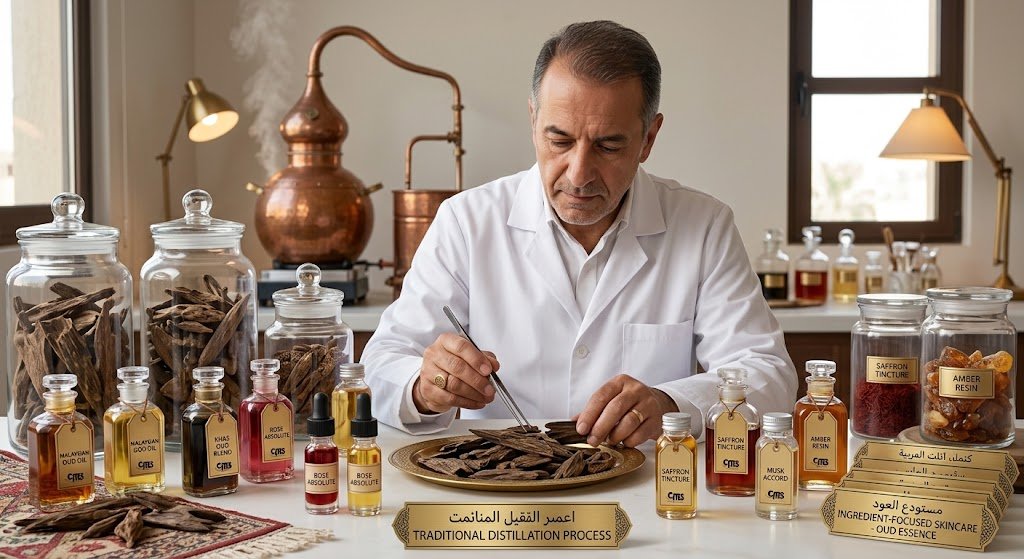
A common traditional method involves soaking prepared wood and using water or steam distillation to extract aromatic compounds.
The process may take days or longer, depending on the method and material. The resulting oil is then evaluated for aroma and quality.
Creating the Final Perfume
Perfumers may use natural oud oil directly or combine it with other ingredients to create a finished fragrance.
Oud blends well with rose, saffron, amber, sandalwood, spices, vanilla, and musk-like accords. These combinations can soften its intensity or highlight its smoky, woody character.
Natural Oud vs. Synthetic Oud: What Is the Difference?
One of the most important things to understand when shopping for oud perfume is that a fragrance can smell like oud without containing natural oud oil.
Natural Oud
Natural oud oil is extracted from resinous agarwood. Its aroma can be complex, with different facets becoming noticeable as the fragrance develops.
High-quality natural oil may be expensive because of the sourcing, extraction, and evaluation involved. Its smell can also vary between batches.
Synthetic Oud Accords
Perfume creators can combine aroma molecules and other fragrance ingredients to reproduce selected oud characteristics.
Synthetic or reconstructed oud accords can deliver woody, smoky, leathery, or resinous effects more consistently. They also allow perfumers to create fragrances at a wider range of prices.
A synthetic oud fragrance is not necessarily low quality. Skilled perfumers can create sophisticated compositions without relying on rare natural oil.
Oud Blends
Many commercial perfumes combine natural ingredients, synthetic aroma materials, and other fragrance components. A fragrance described as an oud perfume may emphasize an oud-style scent without being made primarily from natural oud oil.
Shopping tip: Check the product description and ask the manufacturer whether the fragrance contains natural agarwood oil, an oud accord, or a combination. The word “oud” on a perfume label does not, by itself, establish the amount or origin of natural oud.
How to Choose a Good Oud Perfume
Buying oud can feel confusing because prices, concentrations, and scent profiles vary so widely. A few practical checks can help you make a better decision.
Test the Fragrance on Your Skin
Oud can smell different on a paper strip and on skin. Temperature, skin chemistry, and the other perfume ingredients influence how it develops.
Spray or apply a small amount and allow it to settle before judging the fragrance. Pay attention to the opening, middle, and dry-down.
Decide Which Oud Style You Prefer
If you are new to oud, consider these common fragrance directions:
- Soft woody oud: Suitable for people who prefer understated, versatile scents.
- Rose and oud: Floral, rich, and often associated with Middle Eastern perfumery.
- Smoky oud: Darker and more intense, with a prominent incense-like character.
- Sweet amber oud: Warmer and smoother, often featuring vanilla, amber, or spices.
- Fresh woody oud: A lighter interpretation designed for everyday wear.
These descriptions are broad categories rather than strict classifications. Each perfume can combine several styles.
Compare Concentration and Ingredients
Perfume concentration can affect intensity and longevity, but a higher concentration does not guarantee better quality or longer wear. Formula, skin chemistry, and application all play a role.
Read the brand’s description and compare the actual scent rather than choosing solely by concentration or price.
Buy From Reputable Sellers
Choose retailers that provide clear product information, return policies, and reliable customer support. For expensive natural oils, ask about sourcing, authenticity, and any available documentation.
Be cautious of sellers who make extraordinary rarity claims without evidence or cannot explain what their product contains.
Start With a Small Bottle
If you are unsure whether you enjoy oud, try a sample or smaller bottle before purchasing an expensive full-size fragrance.
This is particularly useful because strong oud compositions may smell very different from familiar fresh, citrus, or floral perfumes.
Is Oud Worth the Price?
Whether oud is worth the price depends on what you value in a fragrance.
Natural oud may appeal to collectors who appreciate its variation, unusual scent profile, traditional production methods, and scarcity. For these buyers, the oil itself can be an important part of the experience.
Other consumers simply want a beautiful woody fragrance that lasts well and suits their style. In that case, an affordable oud-inspired perfume may offer better value.
Consider these three factors before buying:
- Your preference: Do you genuinely enjoy the scent of oud?
- The ingredients: Are you paying for natural oud oil, a blended formula, or an oud-inspired accord?
- Your budget: Does the fragrance provide enough enjoyment and performance to justify its cost?
For example, someone who wears perfume every day may prefer a moderately priced oud-inspired fragrance for regular use and reserve a premium natural oud oil for special occasions.
That approach offers a useful balance between exploration and investment. It also demonstrates an important point: the best oud fragrance is not necessarily the most expensive one.
Oud Sustainability and Ethical Sourcing
Oud’s rarity and commercial value make responsible sourcing particularly important. Unregulated harvesting can threaten agarwood-producing tree populations, while illegal trade can undermine conservation efforts.
The international trade in certain Aquilaria species and their products is regulated under the Convention on International Trade in Endangered Species of Wild Fauna and Flora (CITES). The precise rules depend on the species, product, and applicable exemptions.
Before purchasing expensive agarwood or oud oil, consider asking the seller about:
- Whether the wood comes from a cultivated or wild source.
- Whether the species and origin can be documented.
- Whether applicable permits and trade requirements have been met.
- Whether the supplier follows responsible harvesting practices.
Cultivated agarwood can help supply the market, although cultivation alone does not guarantee quality or ethical practices.
For additional information, consult the official CITES website and the CITES-listed species database.
Responsible sourcing helps buyers make informed choices and supports the long-term availability of this valuable fragrance material.
Conclusion: What Makes Oud So Special?
So, what is oud and why is it expensive? Oud is a fragrant resinous wood used to create incense, essential oil, and luxury perfumes. Its price reflects the unpredictable formation of aromatic resin, the time required to grow and process suitable wood, variable oil yields, specialist expertise, and demand for exceptional natural material.
Yet the price alone does not determine whether an oud fragrance is right for you. Natural oud, blended perfumes, and synthetic oud accords can all offer appealing scent experiences at different price points.
If you are exploring oud for the first time, start with a sample, learn which scent profile you enjoy, and buy from a transparent seller. For premium natural oils, pay attention to authenticity, sourcing, and quality rather than marketing claims alone.
Ready to explore oud fragrances? Compare different oud styles, test them on your skin, and choose a scent that matches your taste and budget.
FAQ Section
Why is oud so expensive?
Oud is expensive because high-quality agarwood is difficult to produce consistently. Resin formation takes time, suitable wood can be scarce, and extracting natural oud oil requires specialist knowledge and processing.
What does oud smell like?
Oud can smell woody, smoky, earthy, leathery, sweet, or resinous. Its exact aroma depends on the tree, resin composition, extraction method, and other ingredients in the perfume.
Is oud more expensive than gold?
Some exceptional natural oud oils and agarwood pieces can command very high prices, but oud is not universally more expensive than gold. Prices depend on the material’s quality, rarity, and market conditions.
Is oud perfume made from real wood?
Natural oud oil is extracted from resinous agarwood. However, many perfumes use synthetic oud accords or blends that recreate oud’s characteristic aroma without relying entirely on natural oud oil.
Does oud perfume last a long time?
Many oud fragrances are designed to be rich and long-lasting, but performance varies by formula, concentration, skin chemistry, and application. Not every oud perfume will last equally long.
Is oud sustainable?
Oud can be sourced responsibly through well-managed cultivation and legal trade. Buyers should look for transparent sourcing and check applicable CITES requirements for regulated agarwood species and products.
One Response